Post-Brexit Fishing Negotiations and Agreements in 2026
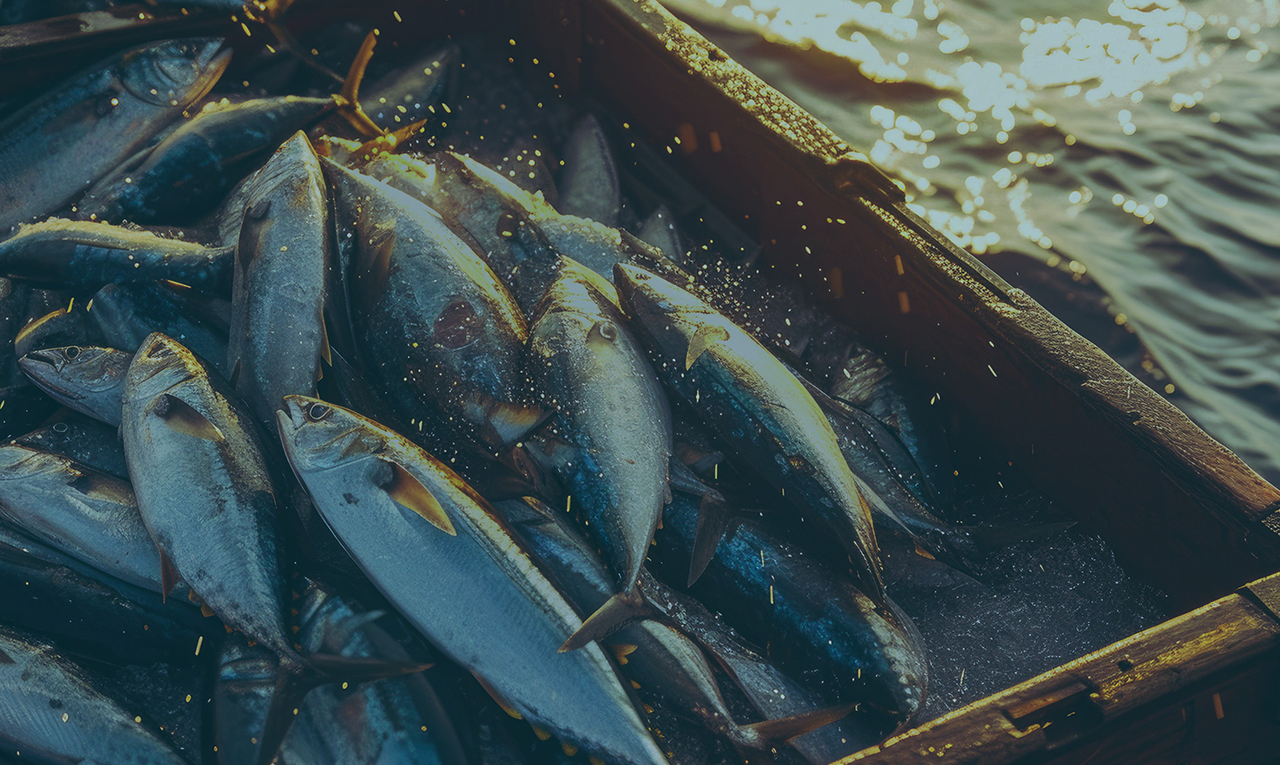
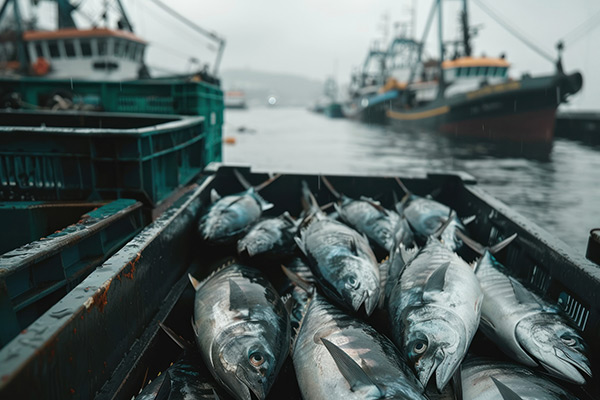
The year 2026 marks a structural turning point for European fisheries with the end of the post-Brexit transitional period. The challenge is to stabilize relations between the European Union and the United Kingdom while ensuring the economic viability of fleets dependent on British waters.
The legal framework is now governed by the Trade and Cooperation Agreement (TCA), which mandates a shift to annual negotiations for quotas and access to fishing grounds. Despite an extension of reciprocal access until 2038 to avoid an abrupt break, the French sector remains weakened by a 25% reduction in its historical quotas and the withdrawal of 90 vessels.
Find the key points of the post-Brexit negotiations and agreements in our summary sheet.
Blue Economy in Europe: 2025 Overview
The eighth edition of the European Union Blue Economy Report provides a clear and up-to-date overview of ocean and sea-related sectors within the EU.
This report highlights the growing importance of the blue economy for Europe’s competitiveness, sustainability, and resilience.
It provides detailed economic analyses of opportunities related to the energy and digital transition, while offering recommendations to encourage investment and the sustainable development of coastal and marine resources.
Policymakers and industry stakeholders will find key information to support growth and innovation in these markets.
To learn more, you can consult the full article below.
Macroalgae: a potential still underexploited in Europe
Global seaweed consumption is booming, but Europe is lagging behind. Yet these superfoods could provide sustainable proteins with a low environmental footprint. The European market still needs structuring, with real opportunities for players ready to innovate.
While the global macroalgae market is growing rapidly, Europe still lags far behind Asia, where these seaweeds are an integral part of everyday diets. An article published in January 2026 in the Journal of Agriculture and Food Research analyzes the potential of macroalgae in Europe as an alternative source of protein, capable of meeting rapidly expanding global demand.
The study identifies both strengths and constraints for the development of this sector. Among the advantages: cultivation that requires little land and freshwater. Among the obstacles: high production costs and a European value chain that is still poorly structured.
To support the growth of this market, the authors set out six key recommendations:
- Harmonize regulations at the European level to facilitate trade and market access.
- Inform and raise consumer awareness to reduce barriers linked to the acceptance of new food sources.
- Strengthen research and innovation to improve production techniques and the added value of products.
- Optimize the supply chain to reduce costs and secure flows.
- Set up collaborative platforms bringing together authorities, industry and researchers.
- Encourage sustainable practices aligned with the European blue economy strategy, for an ocean-friendly value chain.
To make sure you don’t miss any of the strategic recommendations, read the full report.
Developing the Seaweed and Shellfish Sectors: Key Recommendations
To promote the sustainable expansion of the seaweed and shellfish sectors in Europe, a report proposes a series of strategic measures aimed at securing projects, optimizing maritime space, and strengthening the sector’s competitiveness.
The report recommends simplifying and harmonizing regulatory frameworks, particularly through the creation of national one-stop shops, clarification of administrative responsibilities, and reduction of authorization timeframes. These measures aim to secure and accelerate the development of farming projects.
It also emphasizes the importance of better integrating shellfish and seaweed farming into maritime spatial planning. This approach helps limit conflicts with other uses—renewable energy, transport, fishing, or tourism—and ensures stable access to the most suitable areas.
Financial support represents another major lever. The report advocates for increased mobilization of European funds, the implementation of risk-sharing mechanisms, and specific support for small and medium-sized enterprises, in order to stimulate investment and innovation.
Finally, the document stresses the need to invest in research, training, and advanced technologies, such as genetic selection, automation, and integrated multi-trophic aquaculture (IMTA) systems. It also recommends structuring and energizing value chains by developing processing, standardization of seaweed-based products, consumer awareness, and the creation of high-value outlets, to ensure the sector’s competitiveness and sustainability in the long term.
To learn about all the strategies and best practices, consult the full study.
EU AAM shares best practices and fish welfare indicators
Intended primarily for aquaculture professionals, this document was developed in close collaboration with the European Union Reference Centre for the Welfare of Aquatic Animals (EURCAW-Aqua).
The code aims to establish general best practices, applicable to all species, to ensure fish welfare and define the indicators used to assess it within the European Union. It covers all life stages and production systems, focusing exclusively on animal welfare issues, excluding health aspects such as diseases or vaccination.
The code will be updated regularly and will gradually be expanded with new practices and references on fish welfare.
Find the key guidance and recommendations in this report.
With a view to anticipating and supporting your innovation efforts, we have produced a summary of the main topics identified in upcoming European calls for projects.
This document is designed to help you get a head start in your thinking, identify relevant opportunities for your organization, and best prepare your future applications.
Our goal: to provide you with a clear view of emerging themes, to make it easier to position yourself, guide your project strategy, and optimize your chances of success when submitting your proposals.
If you need to discuss anything or would like support, you can contact our Europe project officer, who will be happy to guide you.